updates
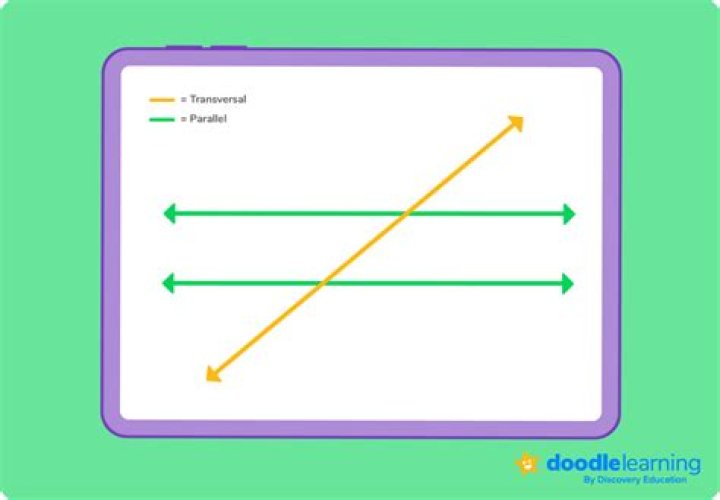
Can two lines lying in different plane be parallel?
In two lines lie in different plane, can they be parallel to each other? I am thinking if two lines are parallel to each other, then their direction cosin...
Apr 16, 2026
Bright entertainment trends with youth appeal.
In two lines lie in different plane, can they be parallel to each other? I am thinking if two lines are parallel to each other, then their direction cosin...
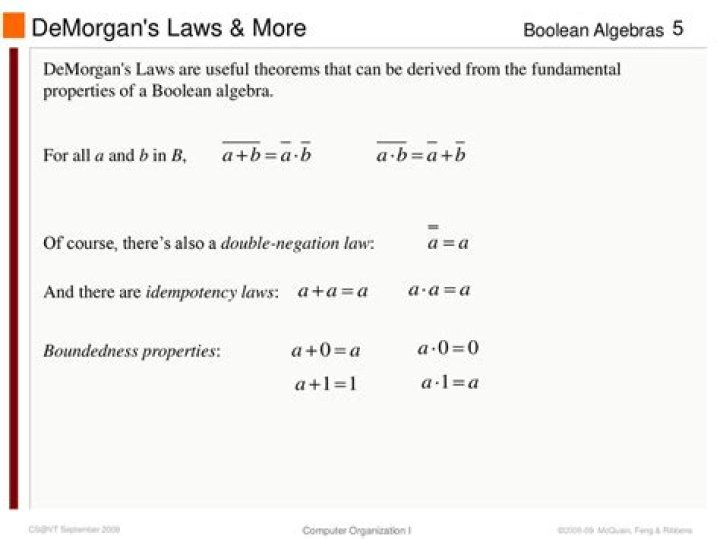
If $\overline X \equiv \text { not }X$, De Morgan's Laws are stated as: $ \overline{(A + B)}= \overline A\cdot \overline B$ $ \overline{(A\cdot B)} =...
I've been reading Akhiezer's "The Classical Moment Problem" recently and came across the expression (in Chapter 2): $$f(u) = Ux = \operatorname*...
![How do I find the asymptote of $y= -\tan(x+\pi/4)$? [closed]](https://news.conceivablytech.com/uploads/how-do-i-find-the-asymptote-of-y-tan-x-pi-4-closed_720.jpg)
$$y= -\tan(x+\pi/4).$$ How do I find the asymptote of this?
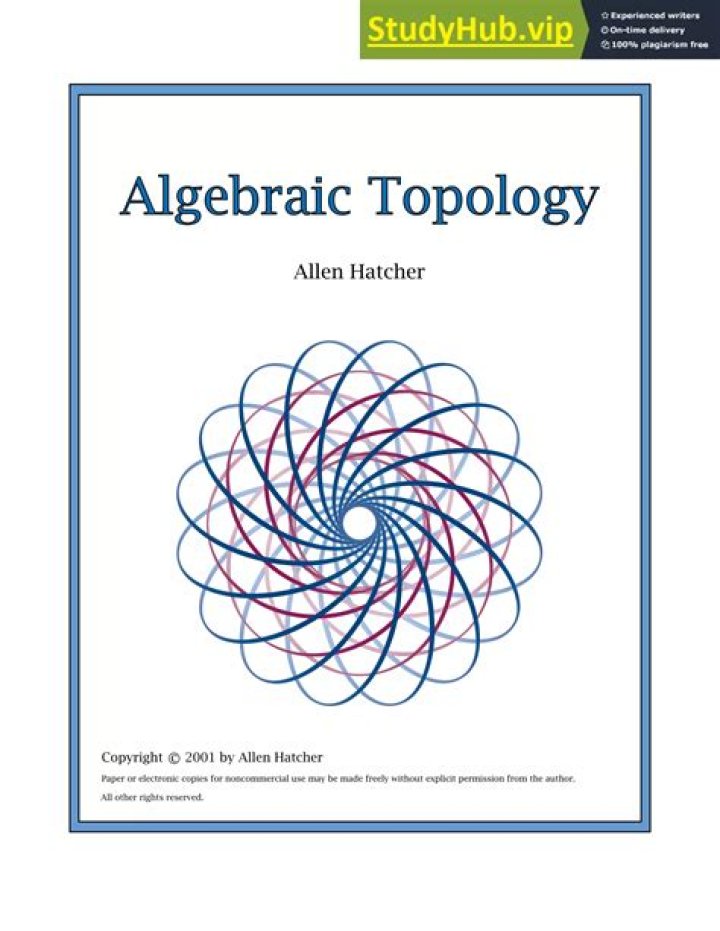
I have to read Allen Hatcher's textbook and I am having a really hard time with the book. To cite examples, I find chapter 0 unreadable, especially t...
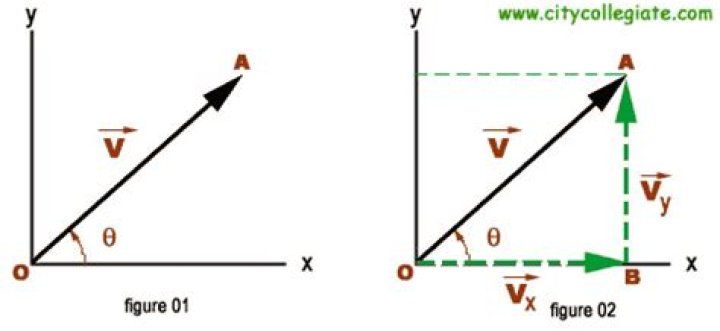
I have always wondered why you have to use sine and cosine instead of a proportional relationship, such as $(90-\text{angle})/90$. I cannot seem to find a...
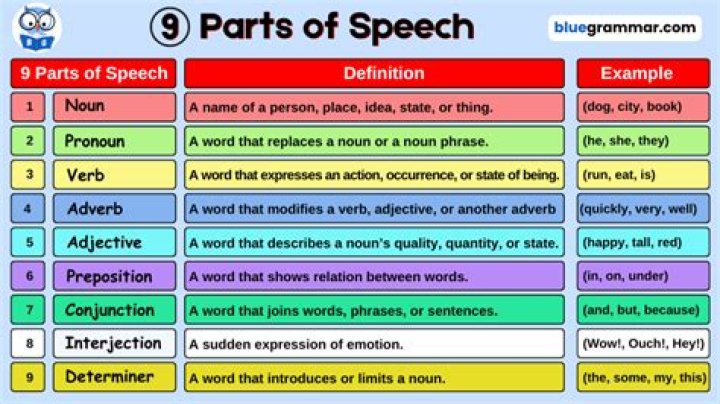
It seems as though, in my analysis and calculus courses, in particular, a common cop-out when asked to prove an identity involving $e$, is the phrase "it&...
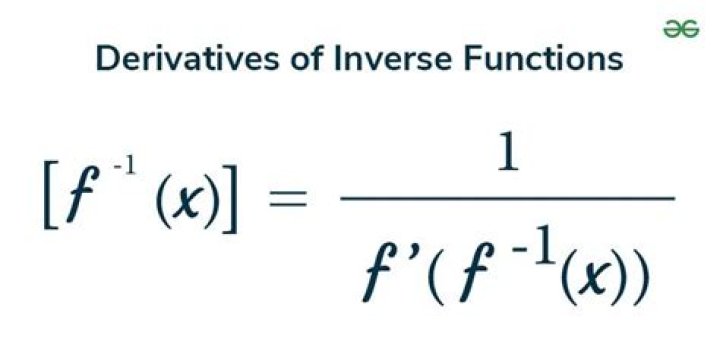
Maybe it is a soft question, I can't find any information about this. How people understood that we can use derivative shortcuts instead of calculati...
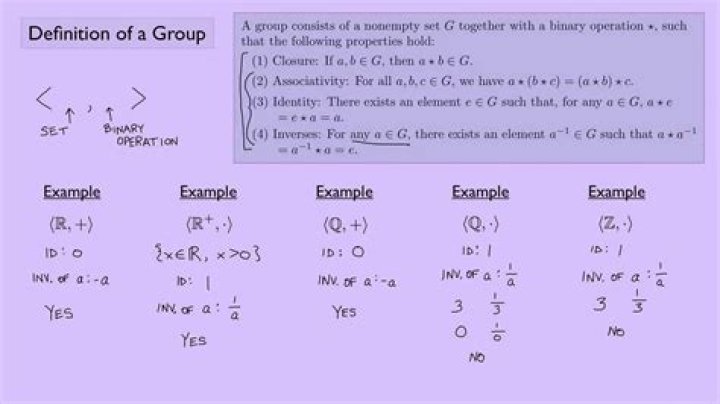
Edited to incorporate suggestions from the comments and responses: Typically, the definition of a group is as follows: Definition: If $S$ is a set, $*$ is...
I understand that similar questions to this have been asked here (1) and here (2) but I believe my question is different because with regards to (1) I am ...
